How Long Does Foundation Repair Last?
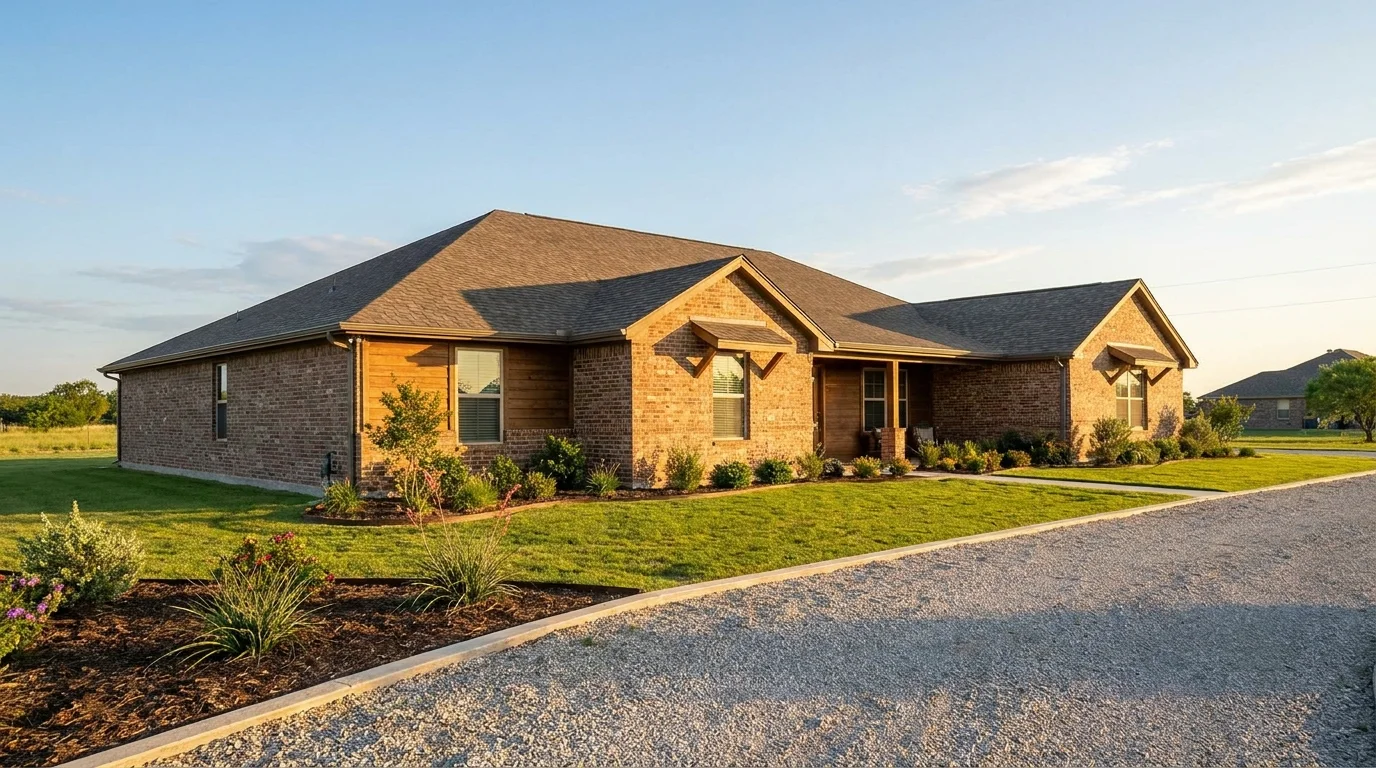
A properly engineered pier repair is designed to be permanent, and quality work in New Braunfels carries a lifetime transferable warranty that follows the house, not the owner.
A properly engineered foundation repair is designed to be permanent. When piers are driven or screwed down to stable, load-bearing soil and the structure is lifted and locked onto them, the repaired sections should never settle again, which is why quality work in this area carries a lifetime transferable warranty rather than a ten or twenty year one. The honest fine print is in the word engineered: how long a repair lasts depends on the method used, the depth the piers actually reach, and how the soil and water around the house are managed afterward. This guide walks through each of those factors so you can judge a repair plan, or a warranty, on its substance.
Key takeaways
- A properly engineered pier repair is meant to be permanent, and quality work carries a lifetime transferable warranty.
- Steel pressed piers driven to load-bearing strata generally give the longest, most predictable support.
- Longevity depends on depth to stable soil, good drainage, and catching any plumbing leak that keeps re-wetting the clay.
- The warranty transfers to the next owner, which buyers in the New Braunfels market look for.
What "Lasts" Actually Means for a Foundation Repair
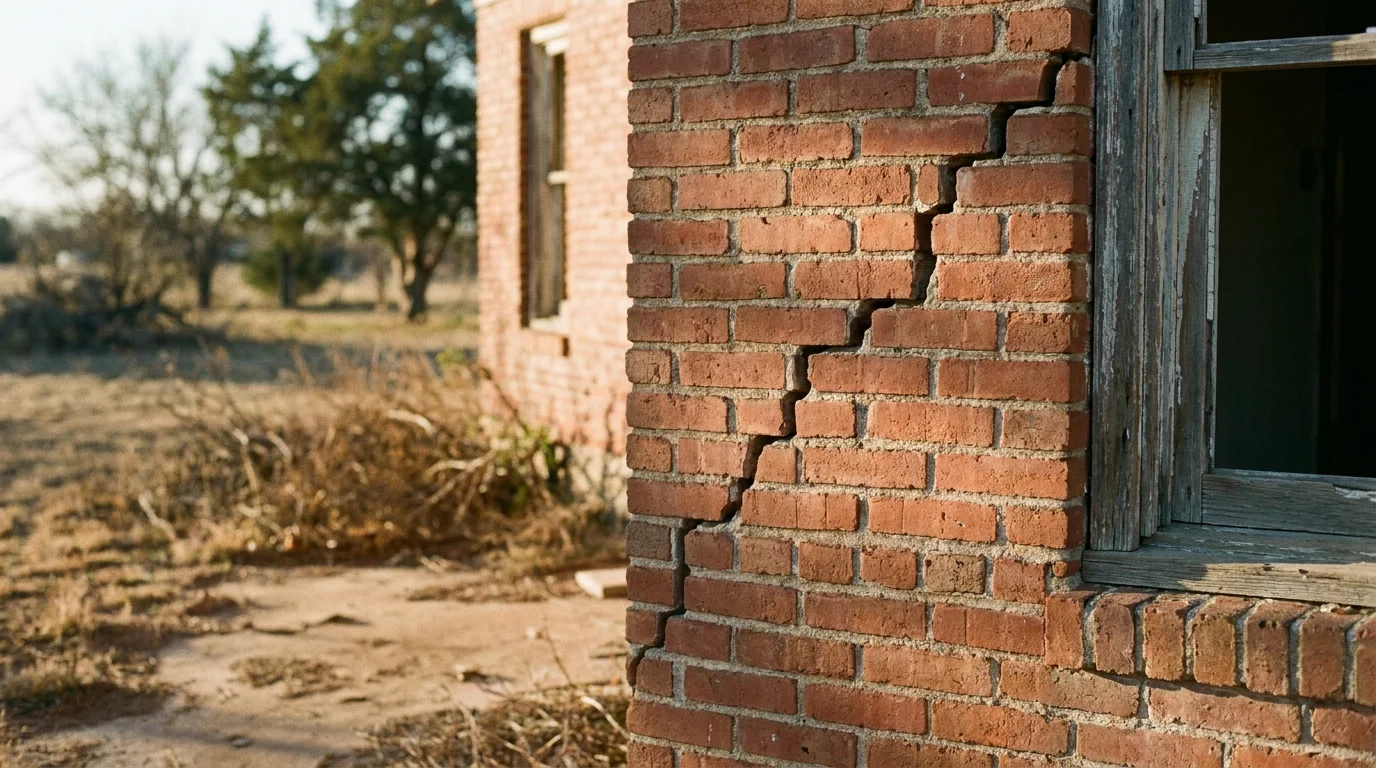
When a contractor says a pier repair is permanent, the claim is specific: the piers themselves should not sink further, so the portion of the foundation resting on them should hold its corrected elevation. The repair does not freeze the whole house in place. Around New Braunfels, homes sit on the Balcones Fault transition, where Hill Country limestone gives way to expansive clay that swells in wet winters and shrinks hard in summer drought. Sections of the slab that were never piered still ride those wet and dry cycles, and a different corner can settle years later for its own reasons.
So the useful question is not just "will this repair last" but "what exactly is covered, and against what." A permanent repair means the supported area stays supported. It does not mean the clay under the rest of the house retires. That distinction matters when you compare quotes, because a low bid with fewer, shallower piers can look identical on paper to a plan built to hold for the life of the structure.
How the Main Repair Methods Compare on Longevity
The three pier systems used in Central Texas age very differently, and the difference comes down to what the pier is made of and what it is resting on.
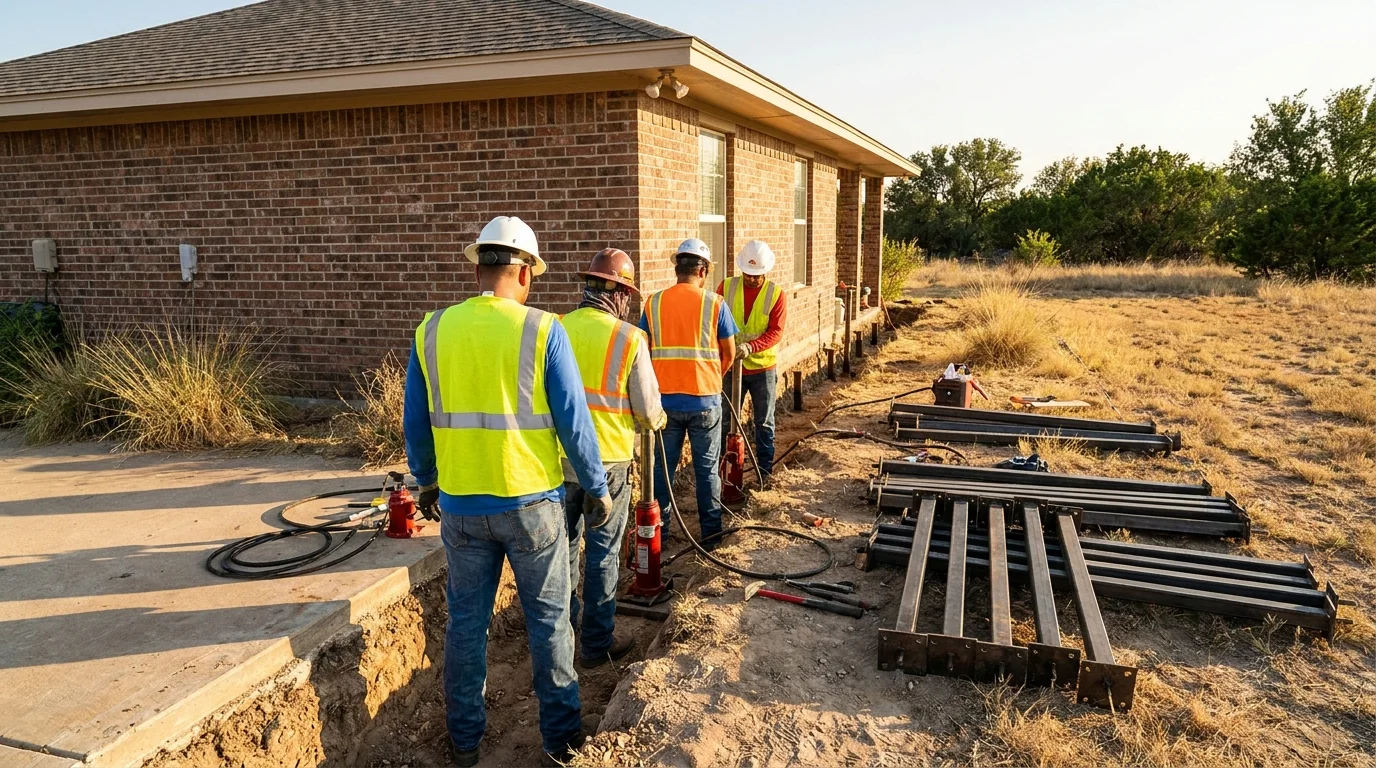
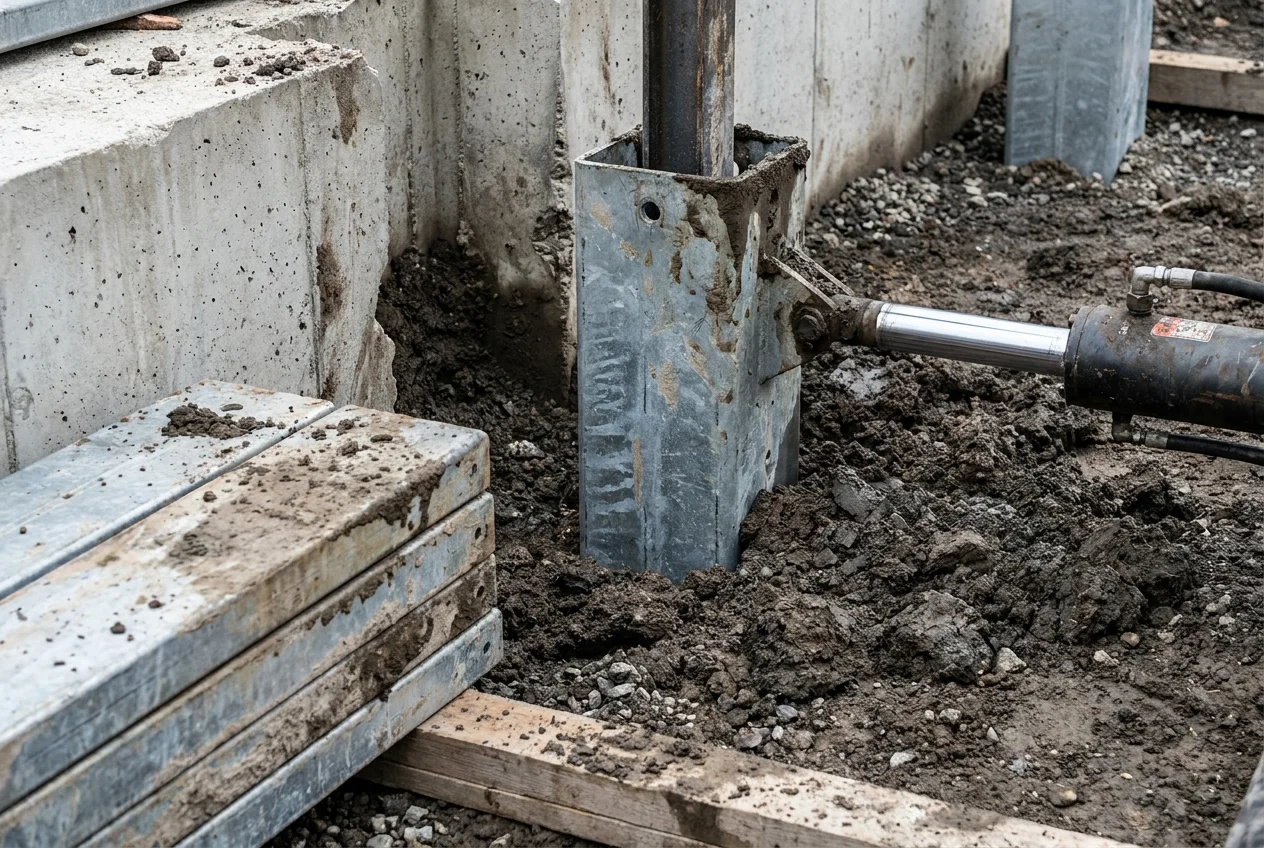
Steel pressed piers are the longevity benchmark. Sections of steel pipe are hydraulically pressed one after another until they refuse to advance, which means they have reached bedrock or equally firm load-bearing strata, often 20 feet or more down in the deeper clay pockets here. Because the pier bears on ground that does not move seasonally, and steel does not crack under lateral soil pressure, a steel pressed pier installation is the repair most contractors are willing to warranty for the life of the home without hesitation.
Concrete pressed piers work on the same driving principle but use precast concrete cylinders. They are a proven, more economical option, and on lots where firm ground sits at a reasonable depth they perform well for decades. Their limits show up in deep, active clay: concrete segments cannot be driven as deep as steel before the column risks drifting or binding, and concrete can crack under shifting lateral loads. On the wrong soil profile, that is the difference between permanent and merely long-lasting.
Helical piers are steel shafts with screw plates that are mechanically turned into the ground to a verified torque, which correlates to bearing capacity. Because they are installed to a measured resistance rather than hammered until refusal, they excel where loads are lighter or soils are tricky, such as pier and beam homes, additions, and porches. Installed to the correct torque, they are as permanent as pressed steel.
Method choice is also a cost decision, since pier material and depth are two of the biggest line items on a quote. It is worth understanding what drives the cost of a foundation repair before you compare a steel bid against a concrete one, because the cheaper pier is not the better value if it has to be redone.
What a Lifetime Transferable Warranty Covers
A lifetime transferable warranty has two working parts. Lifetime means the coverage runs for the life of the structure, not a fixed term: if a warrantied pier ever allows the supported area to settle again, the contractor returns and adjusts or repairs it at no charge. Transferable means the warranty attaches to the house rather than to you. When you sell, the coverage passes to the buyer, usually through a simple transfer document recorded with the closing paperwork, and it keeps passing with each future sale.
That transferability quietly changes the economics of the repair. A disclosed foundation repair can spook buyers, but a documented repair with an engineer's letter and a warranty the buyer inherits often reads as a solved problem rather than a defect. Read the document itself, though. A real warranty names the piers and locations covered, spells out the adjustment remedy, and is backed by a licensed and insured local company that has been answering its phone in the same market for years. New Braunfels Foundation Repair HQ backs its pier work with a lifetime transferable warranty for exactly this reason: the repair is designed to outlast the current owner, so the paperwork should too.
The Factors That Determine Whether a Repair Holds
Four things separate a repair that holds for fifty years from one that fails in five.
- Depth to stable soil. The pier must bear on ground below the zone where clay moisture changes with the seasons. A pier that stops in active clay simply rides the same elevator the slab did.
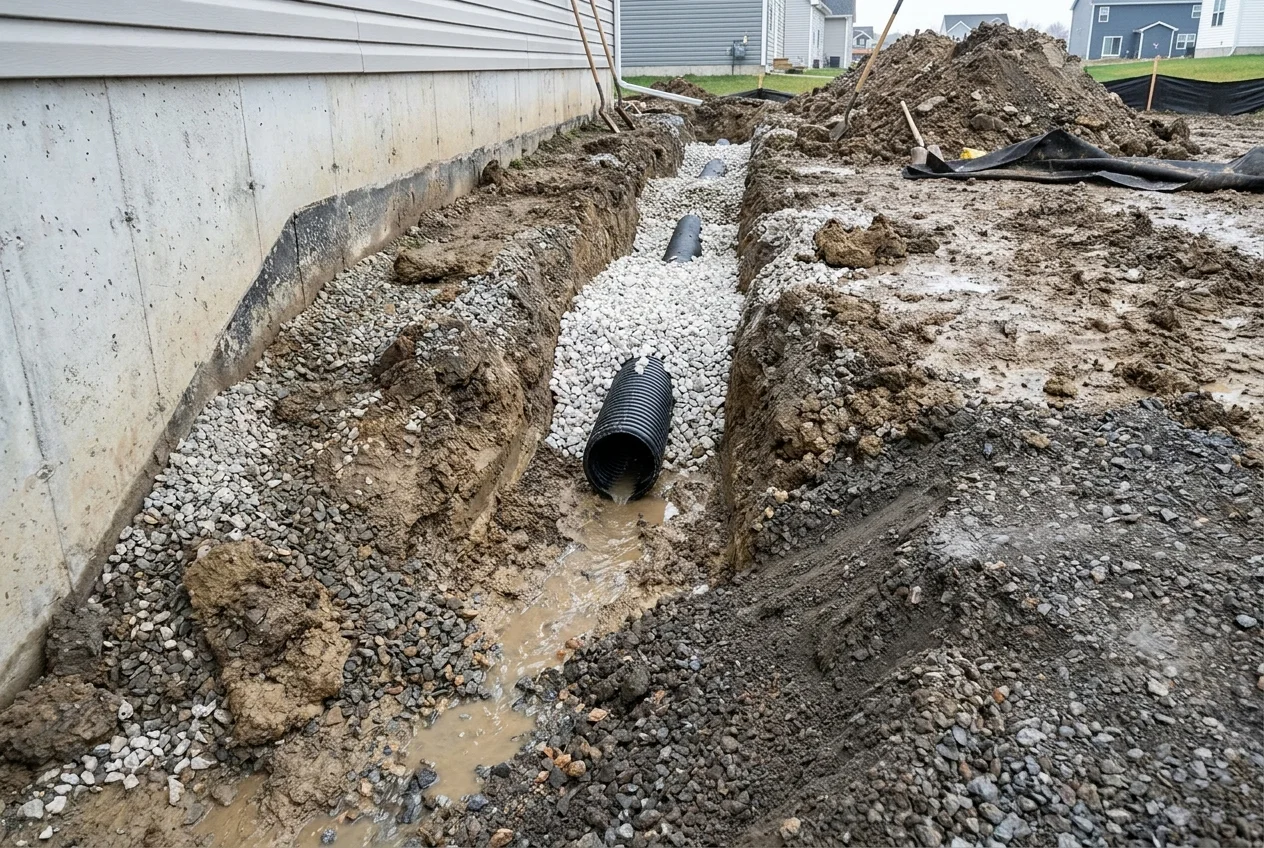
- Drainage and moisture control. Water is what makes Balcones clay move. If runoff still pools against the slab after the lift, the unrepaired sections keep working against the repaired ones.
- Plumbing integrity. An undetected leak under the slab feeds moisture into the clay from below. A plumbing test after the lift, when pipes may have flexed, catches this early.
- Soil preparation and workmanship. Proper spacing, shimming, and load transfer at each pier cap matter as much as the pier itself.
The first item is where corners get cut most often, because depth is invisible once the hole is backfilled. Ask any bidder what refusal pressure or torque they drive to and how they document it.
Why Drainage Maintenance Protects the Repair
Think of piers as fixing the symptom and water management as treating the cause. After a lift, the goal is to keep the moisture level in the clay around the whole foundation as steady as possible: gutters that discharge well away from the slab, grading that slopes off the house, and soaker hoses in a hard summer to keep the perimeter clay from shrinking away. On lots where surface water collects, correcting the drainage around the foundation at the time of the repair is often the cheapest insurance the repair will ever get, because it protects the piered and unpiered sections alike.
What Can Shorten a Repair's Life
Most failed repairs trace back to one of three causes. Skipped drainage work leaves the original moisture problem in place, so new movement shows up next to the old repair. An undetected slab leak keeps saturating the clay from below until even well-set piers are surrounded by unstable ground and the unsupported spans between them sag. And a too-shallow pier, driven to a budget instead of to refusal, settles along with the seasonal zone it was left in. None of these are exotic. They are exactly what a careful inspection, an itemized pier plan, and a post-lift plumbing test are designed to prevent.
If you are weighing a repair and want the depth, method, and warranty questions answered for your specific house, our New Braunfels foundation repair team can take elevation readings and put the plan in writing. Call (830) 302-3236 and describe what the house is doing.